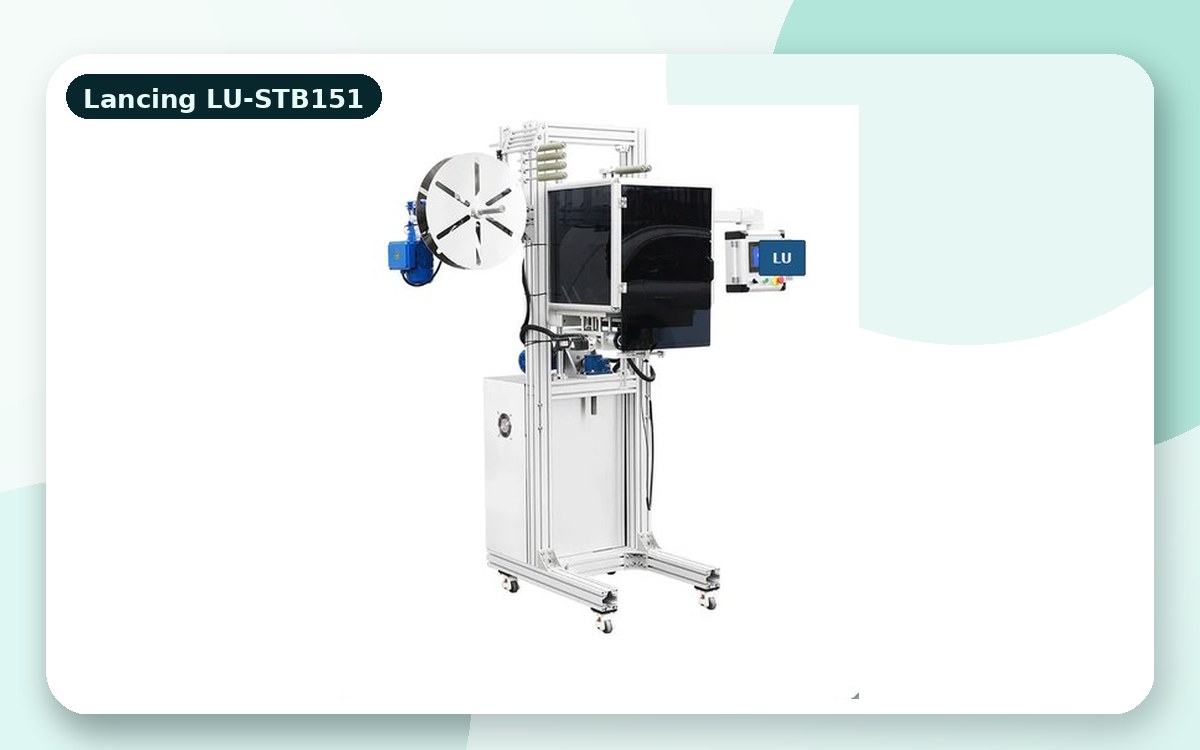
Tamper-evident neck band applicators
Sleeve application over caps, lids and closures for food, cosmetics, chemicals and pharmaceutical-style packs where a visible security band is required.
Learn more →Machine range
Compare automatic sleeve applicators, tamper-evident band applicators, full-body sleeve applicators, rotary sleeve labelers, horizontal sleeve systems and shrink tunnels.
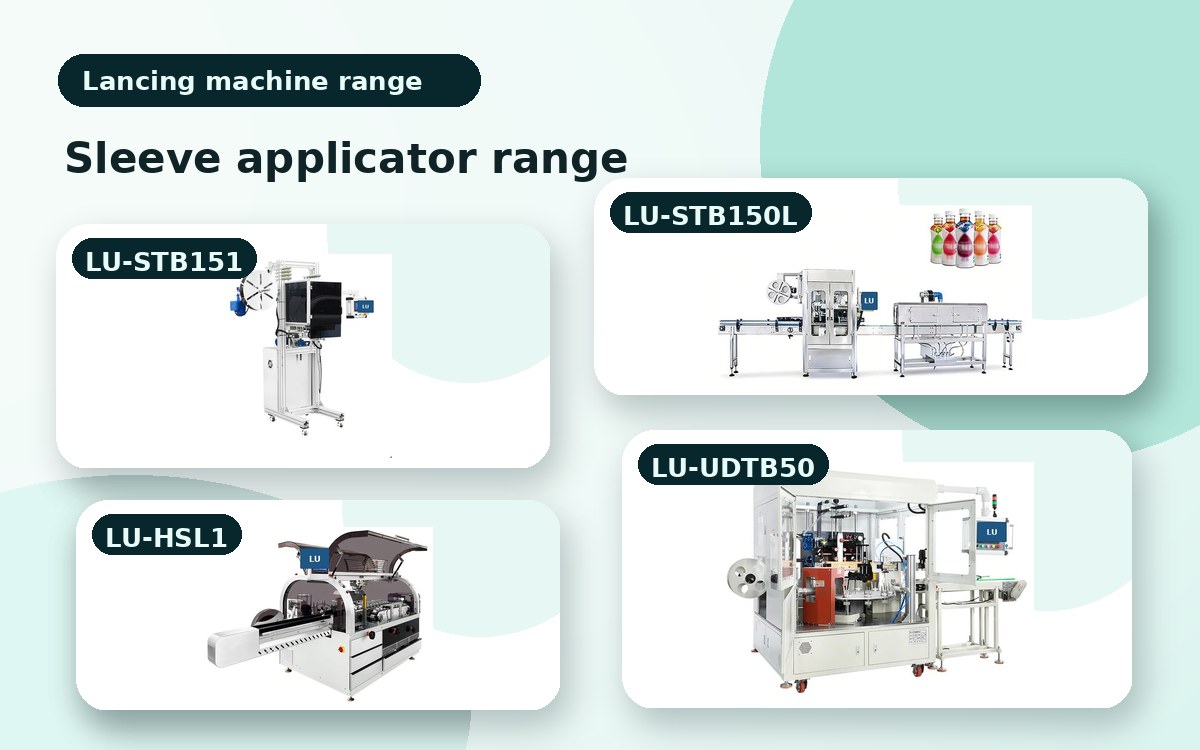
Shortlist by sleeve format
Use this page to shortlist the likely machine family. Final selection should be confirmed against the actual container, sleeve artwork, lay-flat, cut length, shrink percentage and production layout.
Sleeve application over caps, lids and closures for food, cosmetics, chemicals and pharmaceutical-style packs where a visible security band is required.
Learn more →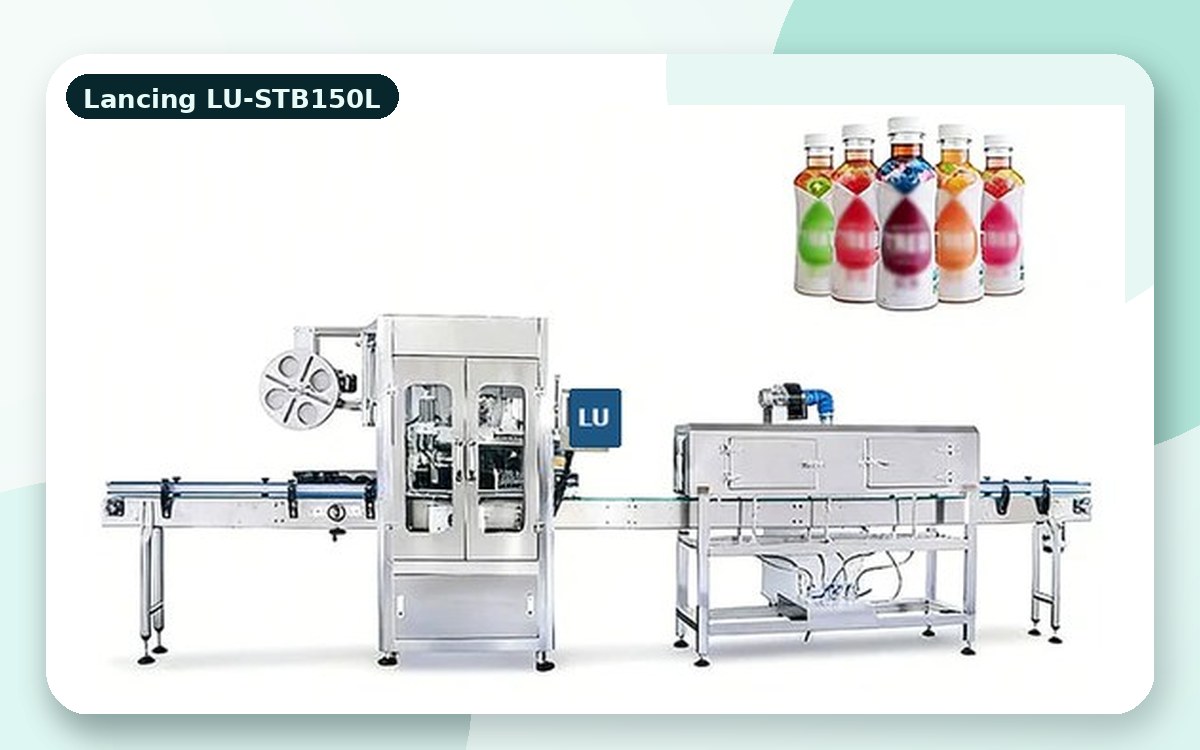
Machinery for applying decorative sleeves over most or all of the container body, often used where brand coverage, shaped packs or high shelf impact are important.
Learn more →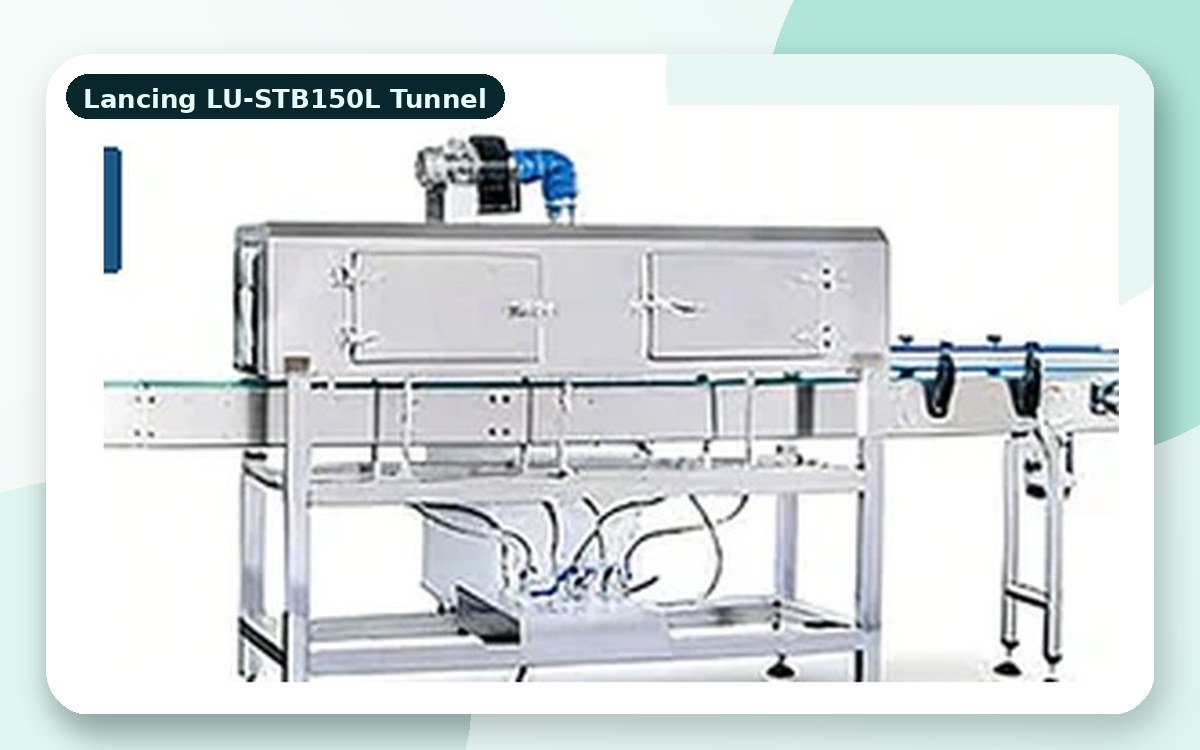
A practical route where only a section of the pack needs a shrink sleeve, promotional band, tamper feature or variable pack presentation.
Learn more →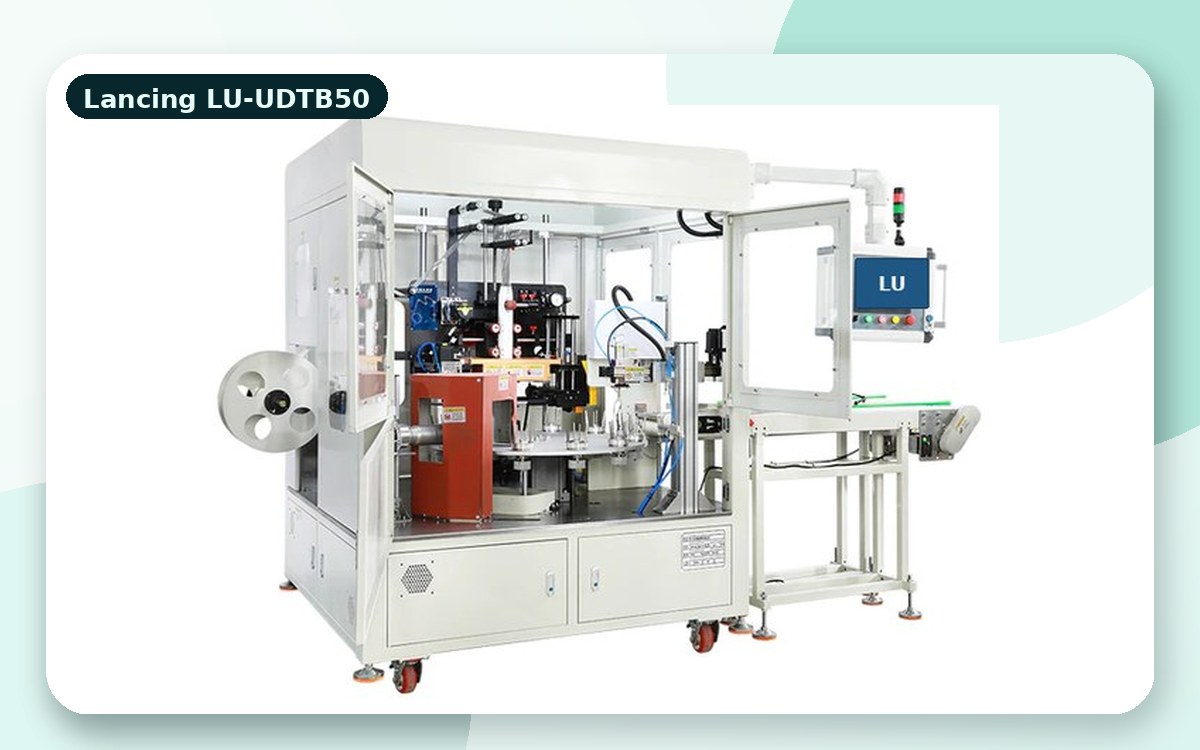
Production-line sleeve application where conveyor timing, sensor control, sleeve feed and tunnel integration are selected around repeatable output.
Learn more →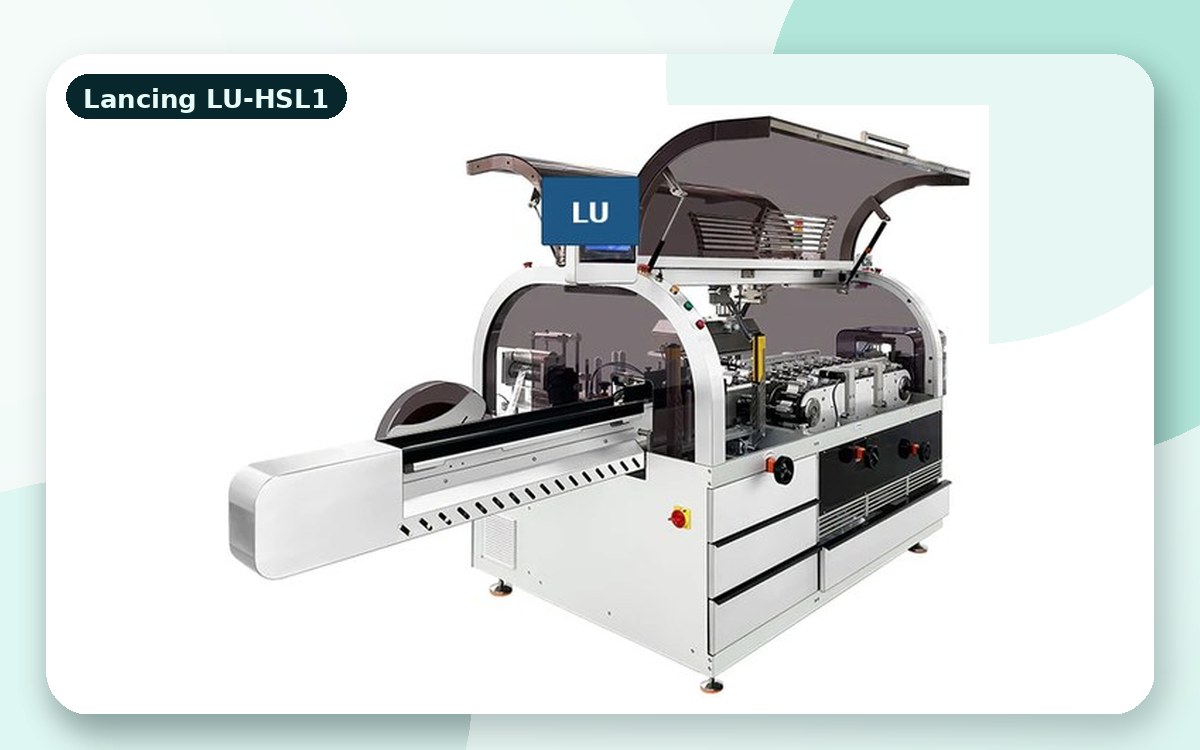
Horizontal sleeve labelling for lipsticks, vials, slim cosmetics and small products where stable transport matters.
Learn more →Steam, electric or hot-air tunnels specified around sleeve material, container shape, shrink quality, utility availability and footprint.
Learn more →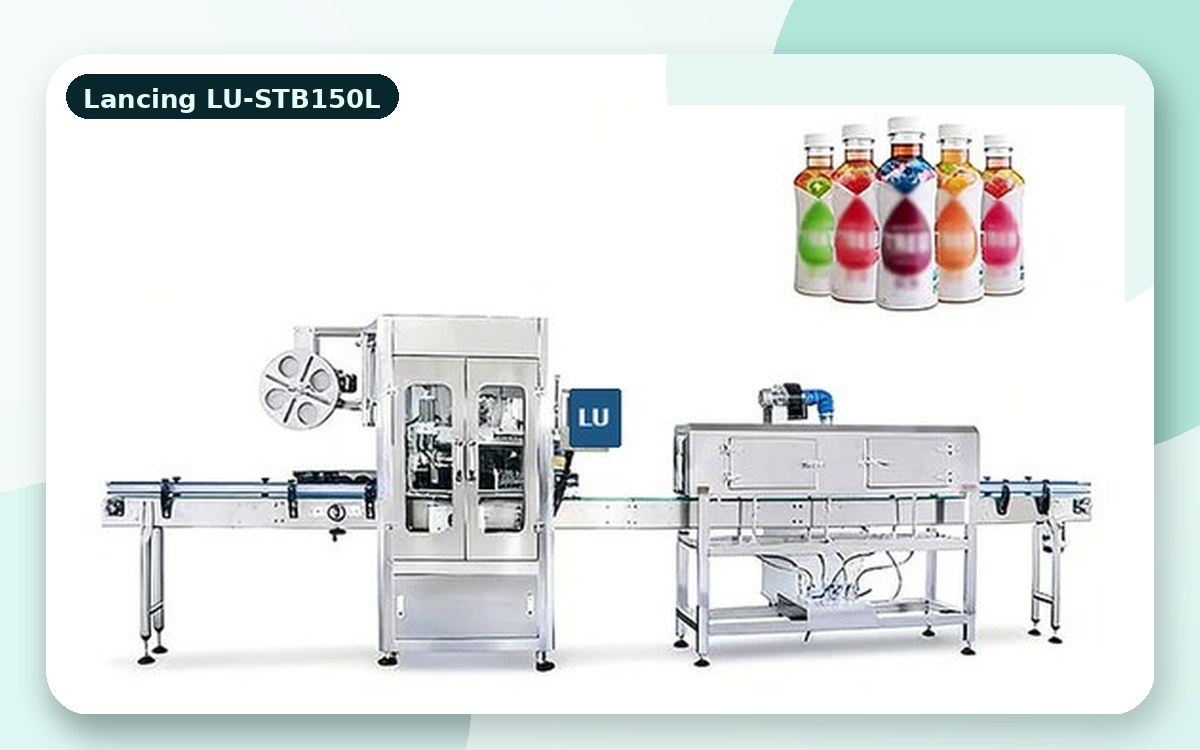
Infeed, spacing, side-grip, starwheel, timing screw or guide arrangements to keep bottles, jars and tubs stable through application and shrink.
Learn more →
Line planning that connects filling, capping, sleeving, shrinking, coding, accumulation and end-of-line packing into a workable production route.
Learn more →Lancing LU sleeve applicator options
The site now includes distinct machine options for compact sleeve application, full bottle sleeve lines, rotary shrink sleeving and horizontal sleeving for small products. Model references use the Lancing LU naming route throughout.
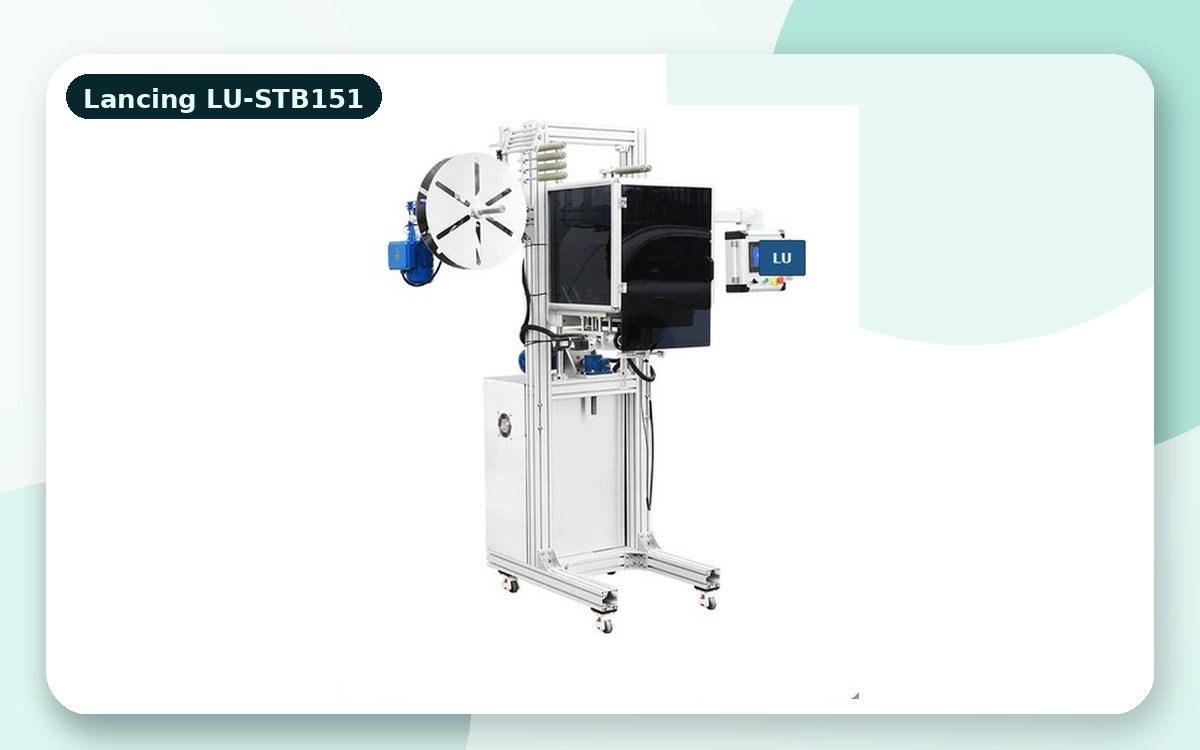
Bottle sleeves, half sleeves, cap seals and tamper-evident neck bands for small to medium production.
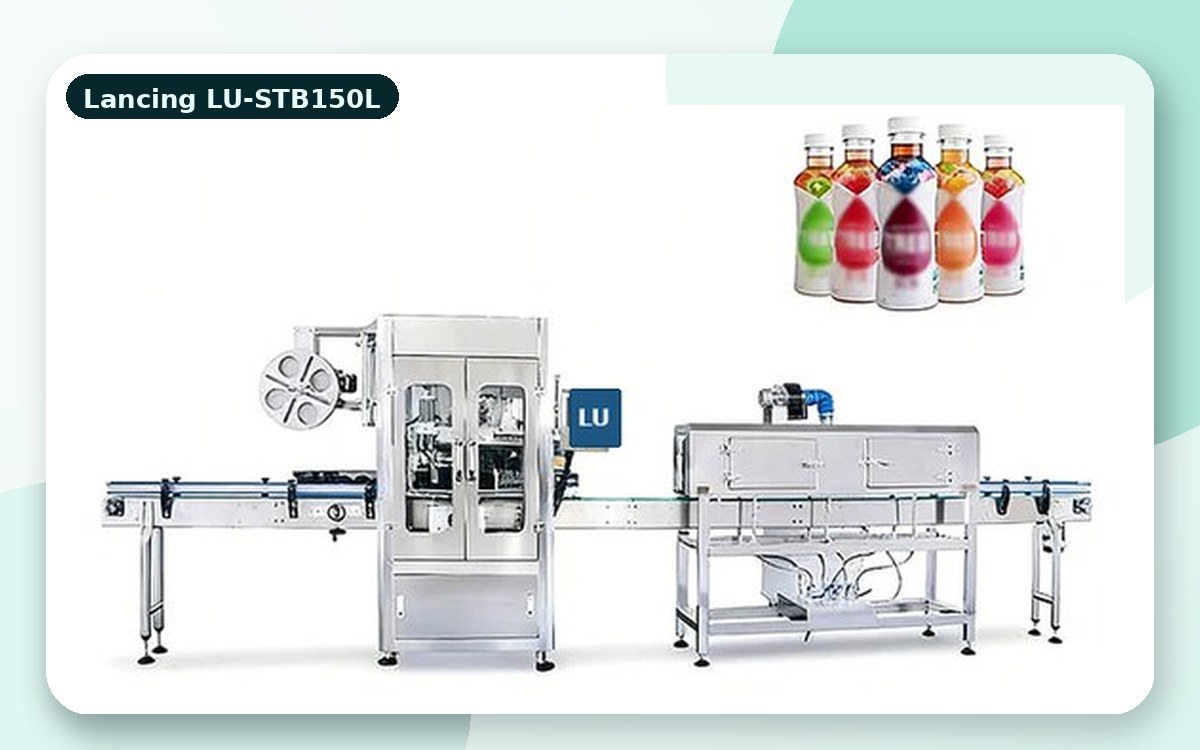
High-speed bottle sleeving where the applicator, conveyor and shrink tunnel need to be specified as one system.
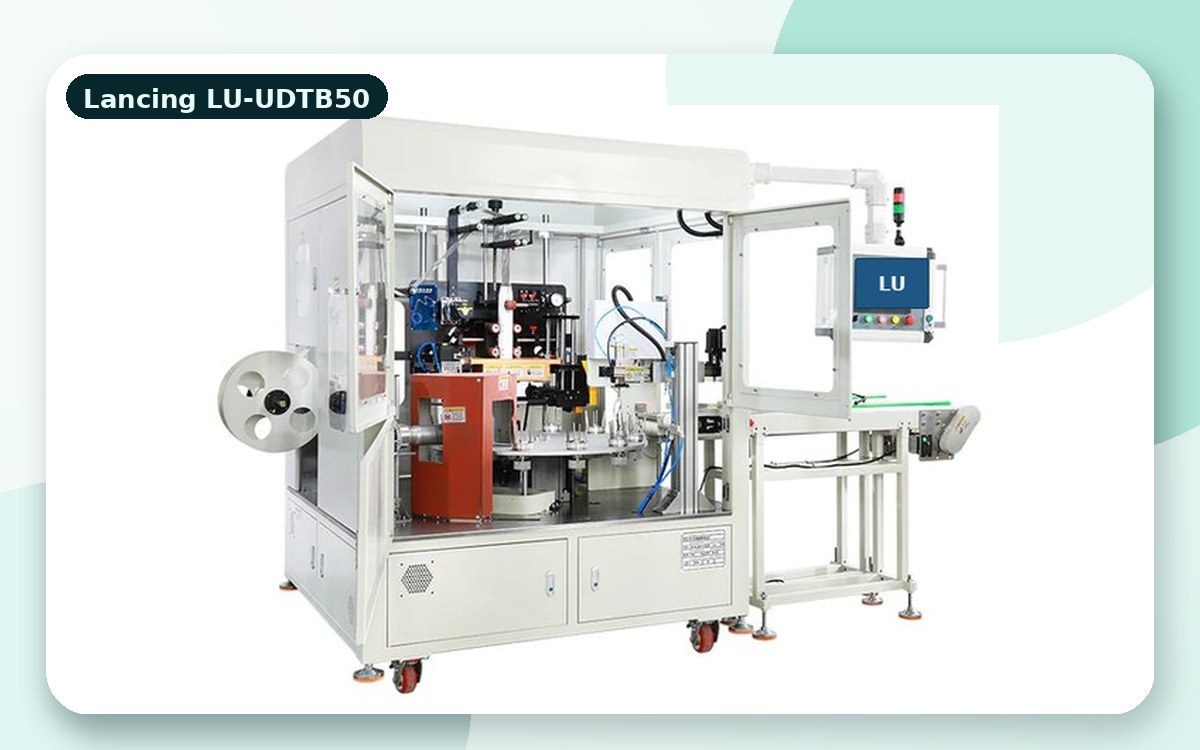
Cosmetic, personal-care, hygiene and pharmaceutical-style packs that benefit from rotary handling and repeatable sleeve placement.
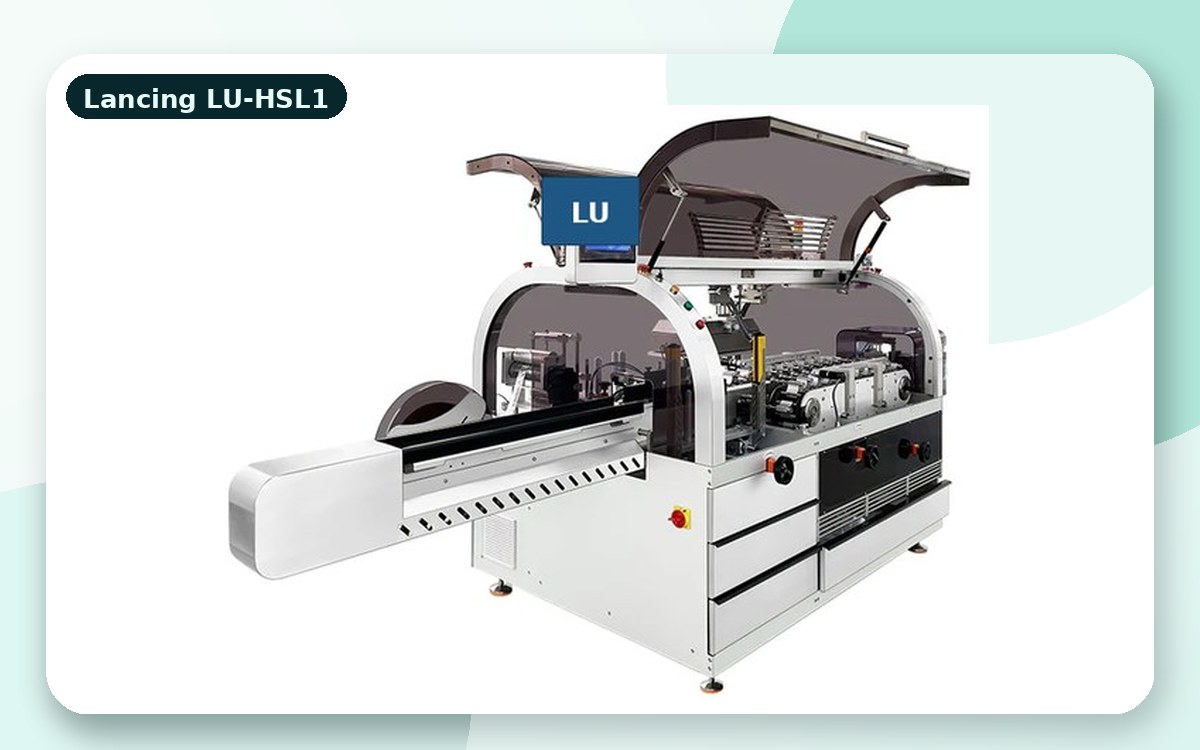
Slim, lightweight or small products that need to be carried horizontally through the sleeving and shrinking process.
Engineering check
Published machine types can look similar, but real-world sleeve quality is shaped by pack geometry, sleeve behaviour and the tunnel. Lightweight bottles, tapered shoulders, complex curves, liquid fill levels and cap geometry can all change the correct route.
FAQ
Start with the sleeve function and container shape. Neck bands, full-body sleeves, partial sleeves and multipack bands all need different handling, cutting and tunnel arrangements.
Often yes, but it depends on container stability, sleeve dimensions, tooling, changeover frequency, conveyor handling and tunnel settings.
Sleeve opening, sensor control, mandrel or feeding method, cut length, container pitch, conveyor speed and the stability of the container all affect accuracy.
Steam can be helpful for complex shapes and controlled shrink, but the best tunnel route depends on sleeve material, container shape, utilities, speed and production environment.
Project support
A useful sleeve applicator shortlist starts with the real pack: container shape, sleeve lay-flat, cut length, required position, tunnel type, production speed and line layout.
Machine qualification
The model pages provide useful shortlisting ranges, but a production specification also needs the actual sleeve reel, the difficult container formats, the intended tunnel route and a measurable good-output definition.
Compare machines on the same basis: sleeve feed and cut quality before the tunnel, finished-pack quality after cooling, sustained good output, restart behaviour, changeover work and the utilities or extraction required at the site.
Model decision matrix
The four LU references cover different ways of presenting a pack to the sleeve. Their published data is useful for excluding unsuitable routes, but it does not replace a format trial. Container stability, the way the sleeve opens, the critical artwork area and the tunnel process determine whether a nominally compatible size can run consistently.
Terms such as label length, packaging width, sleeve height and finished coverage are not interchangeable. Mark every dimension on a drawing and state whether it is measured on the unshrunk sleeve, the container or the cooled finished pack. The same discipline is required for placement tolerance: the project should define the datum, measurement method and whether the value is assessed before or after shrinking.
Where a model is stated as customisable, obtain the final covered range and the associated change parts in the quotation. Do not assume that customisation preserves every published speed, material or format reference.
Complete machine decision
The applicator model is only one part of the result. The selected configuration must open and cut the sleeve consistently, place it on a stable pack, transfer it without movement, shrink it through a repeatable process and contain faults before good product is released.
Use one controlled pack and line brief so differences in tunnel, conveyor, change parts, controls, trials and installation are visible.
How to compare sleeve applicator quotations →Machine selection questions
Container stability, sleeve opening, print control and format changeover determine the useful machine configuration.
Horizontal handling is useful when a product is too slim, light or unstable to maintain a repeatable upright pitch through sleeve placement and shrinking. The support system must still control orientation, sleeve position and discharge. The decision is based on the real product and sleeve, not simply on a small diameter.
View the horizontal machine route →Rotary handling can provide controlled presentation and repeatable movement for certain small or appearance-critical packs, but it also creates format-specific handling and changeover considerations. The advantage has to be demonstrated against container stability, sleeve placement, required output and the way packs transfer in and out of the machine.
View the rotary machine route →Diameter does not describe height, shoulder, base, closure, weight, stiffness, centre of gravity or the surface that contacts guides. It also does not describe sleeve lay-flat, cut length or opening behaviour. Packs with the same nominal diameter can therefore need different support, pitch, former or tunnel conditions.
Check multi-format compatibility →Compare every physical change part, stored recipe, guide adjustment, tool, access point, verification step and approved sample needed to release the next format. The useful measure is not only elapsed time; it is whether the operator can reproduce the approved feed, cut, placement and tunnel result without undocumented adjustments.
Review changeover planning →Comparable machine evidence
Model names and published maximums are useful for an initial shortlist, but a fair comparison uses the same container, closure, sleeve material, artwork, tunnel route and definition of good output. The route should be judged on the complete application process rather than a single headline figure.
Compare infeed control, conveyors, guides, change parts, guarding interfaces, coding or inspection signals, reject handling, tunnel utilities, installation and training on the same basis. Similar machine descriptions can carry different integration boundaries.
Complete machine brief
The correct machine family is only one part of the decision. A production-ready quotation should identify the incoming pack condition, sleeve reel specification, coding and inspection duties, tunnel utilities, line-control signals and the accepted response to stops, restarts and rejected packs.
For a controlled project sequence, combine the machine-selection guide, the coding integration guide and the factory acceptance test checklist.