LU-HSL1 details
Continue comparing the machine, application and project details for this sleeve applicator requirement.
Open page →Horizontal sleeving
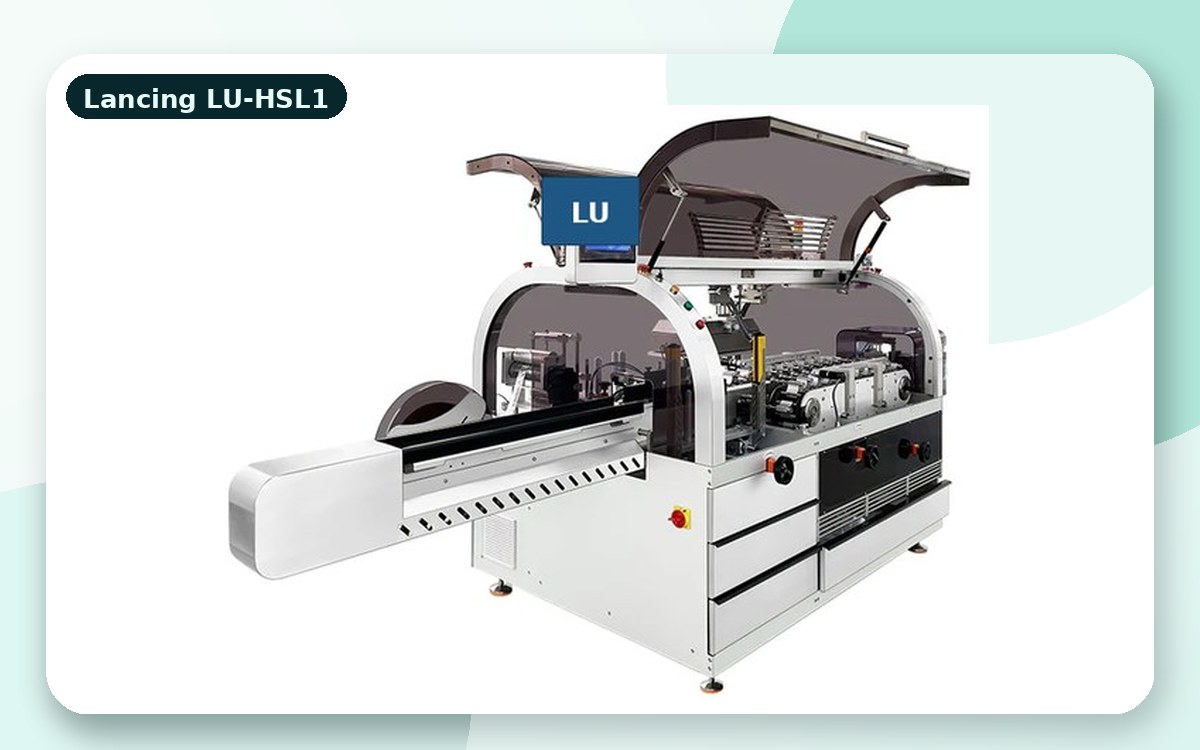
Horizontal sleeve applicators carry slim or lightweight products on their side, which can improve stability where upright transport would be difficult.
Best-fit applications
Horizontal sleeving is useful when the pack format drives the machine choice. Lancing can compare a horizontal system with rotary or inline handling depending on samples and target output.
Specification checks
Good sleeve applicator selection starts with the real pack, the real sleeve and the target output. The checks below help narrow the applicator, conveyor and tunnel route before a quotation is prepared.
Related pages
These pages help connect the search route to the correct machine family, application type or quotation checklist.
Continue comparing the machine, application and project details for this sleeve applicator requirement.
Open page →Continue comparing the machine, application and project details for this sleeve applicator requirement.
Open page →Continue comparing the machine, application and project details for this sleeve applicator requirement.
Open page →FAQ
It can stabilise slim products that are difficult to handle upright through sleeve application and shrink.
Some systems can handle small square or cylindrical products, but product support and guides must be checked.
Send product diameter, length, weight, sleeve details, desired output and whether the product is filled or empty.
Project support
Lancing can review the pack format, sleeve material, target speed, tunnel route and line layout before recommending a sleeve applicator configuration.
For a tube or vial project, show the intended orientation through the entire sleeving process. Mark which end leads, whether the product may rotate and where decoration or a closure needs protection. If the item arrives upright, identify how that incoming state relates to the proposed horizontal handling.
Keep the application position and subsequent shrinking or discharge arrangement in the same review. Ask which surfaces support the pack at each transfer and how different lengths or shapes are distinguished. A successful application at one position does not by itself settle the complete handling route.
Suitability depends on the actual pack and process; use representative samples and a defined handling review.
Include closure details, protected surfaces, incoming orientation and the condition required at the next operation.