Lid band position
The sleeve must sit consistently over the lid, rim or cap so the final pack looks intentional.
Jar and tub sleeve applicators
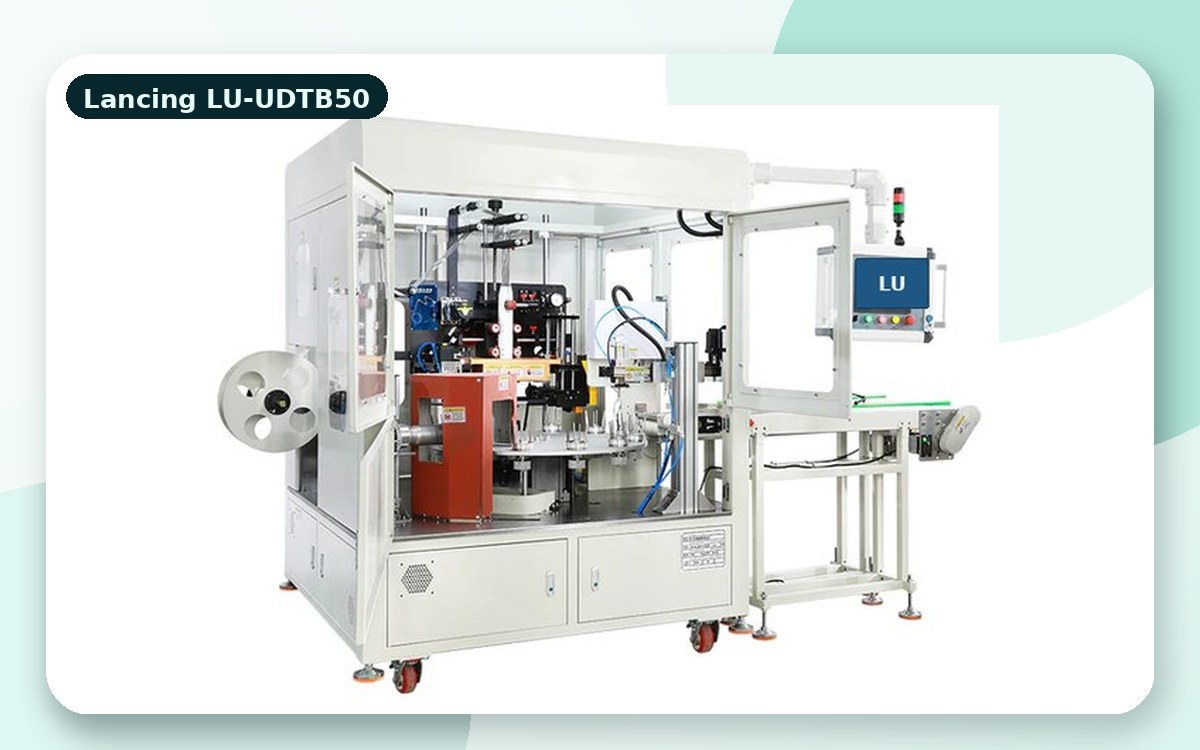
Specify sleeve applicator machinery for jars, tubs, pots, lids and shorter containers where position, perforation and shrink quality matter.
Jars, pots and tubs
Jar and tub sleeving projects often focus on tamper-evident lid bands, decorative body sleeves or promotional sleeves. Shorter containers may require careful handling because the sleeve has less vertical guidance and the lid or rim can affect shrink behaviour.
When a sleeve sits over a lid or upper rim, perforation, consumer opening, shrink tightness and final appearance should be considered before the applicator and tunnel are selected.
The sleeve must sit consistently over the lid, rim or cap so the final pack looks intentional.
Perforation or tear support should be planned early where the sleeve is part of the consumer opening process.
Wide, low, light or unstable containers may need dedicated guides, spacing or transfer methods.
FAQ
Yes in many cases, but wide or low containers may need specific guides, spacing or transfer arrangements.
Yes, perforation can be planned into many tamper-evident sleeve applications and should be confirmed during specification.
Project support
A useful sleeve applicator shortlist starts with the real pack: container shape, sleeve lay-flat, cut length, required position, tunnel type, production speed and line layout.
For jars and tubs, mark the intended sleeve position against both the container body and the lid or rim. State whether the sleeve is decorative, a lid band or part of the opening presentation. Show an acceptable finished sample where possible, including the appearance after the opening feature is used.
Include the actual lid fit and filled container in the review. If several tubs share artwork but use different lids, identify them separately. Ask the trial to show entry handling, sleeve placement and the finished position after shrinking, so the source of any variation can be distinguished.
Describe them separately because their placement and opening requirements serve different purposes.
Keep labelled finished samples and the matching sleeve and container references, including the approved opening example where relevant.