Cap and neck geometry
Cap height, shoulder angle, lid rim and neck finish decide how the sleeve is positioned and shrunk.
Tamper-evident sleeve applicators
Specify sleeve applicator machinery for shrink bands over caps, lids, closures and necks, with tunnel and line integration support.
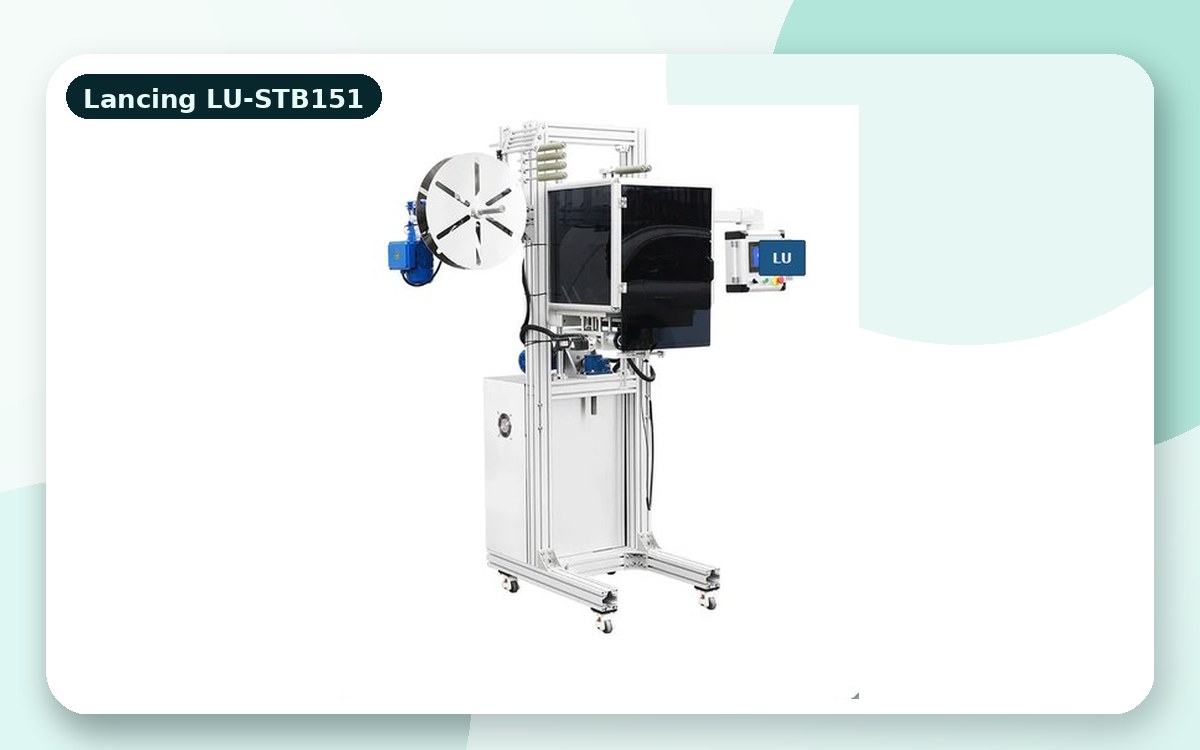
Neck bands and cap seals
Tamper-evident sleeve applicators apply a short shrink sleeve over the closure area so the finished pack shows a visible seal. They are commonly considered for jars, bottles, tubs, dropper bottles, nutritional products, cosmetics, food packs and household products.
The correct system depends on cap diameter, container neck shape, sleeve cut length, perforation requirement, container pitch and whether the seal must sit over a shoulder, lid rim or cap skirt.
Specification points
Cap height, shoulder angle, lid rim and neck finish decide how the sleeve is positioned and shrunk.
Vertical or transverse perforation may be needed so the consumer can remove the band cleanly.
Short sleeves still need controlled shrink so the seal looks neat and does not distort around the closure.
Small, light or narrow containers may need careful guiding or spacing before application.
Multiple cap diameters or SKU families should be planned early to reduce tooling and adjustment time.
The applicator may need to sit after capping and before coding, labelling, packing or inspection.
FAQ
It applies a short shrink sleeve over a cap, lid or neck area so the finished pack carries a visible security band.
Yes, many tamper-evident applications use a perforation or tear feature, but it should be confirmed when specifying the machine and sleeve.
Typically after capping or lidding and before final labelling, coding, inspection or end-of-line packing, depending on the layout.
Project support
A useful sleeve applicator shortlist starts with the real pack: container shape, sleeve lay-flat, cut length, required position, tunnel type, production speed and line layout.